
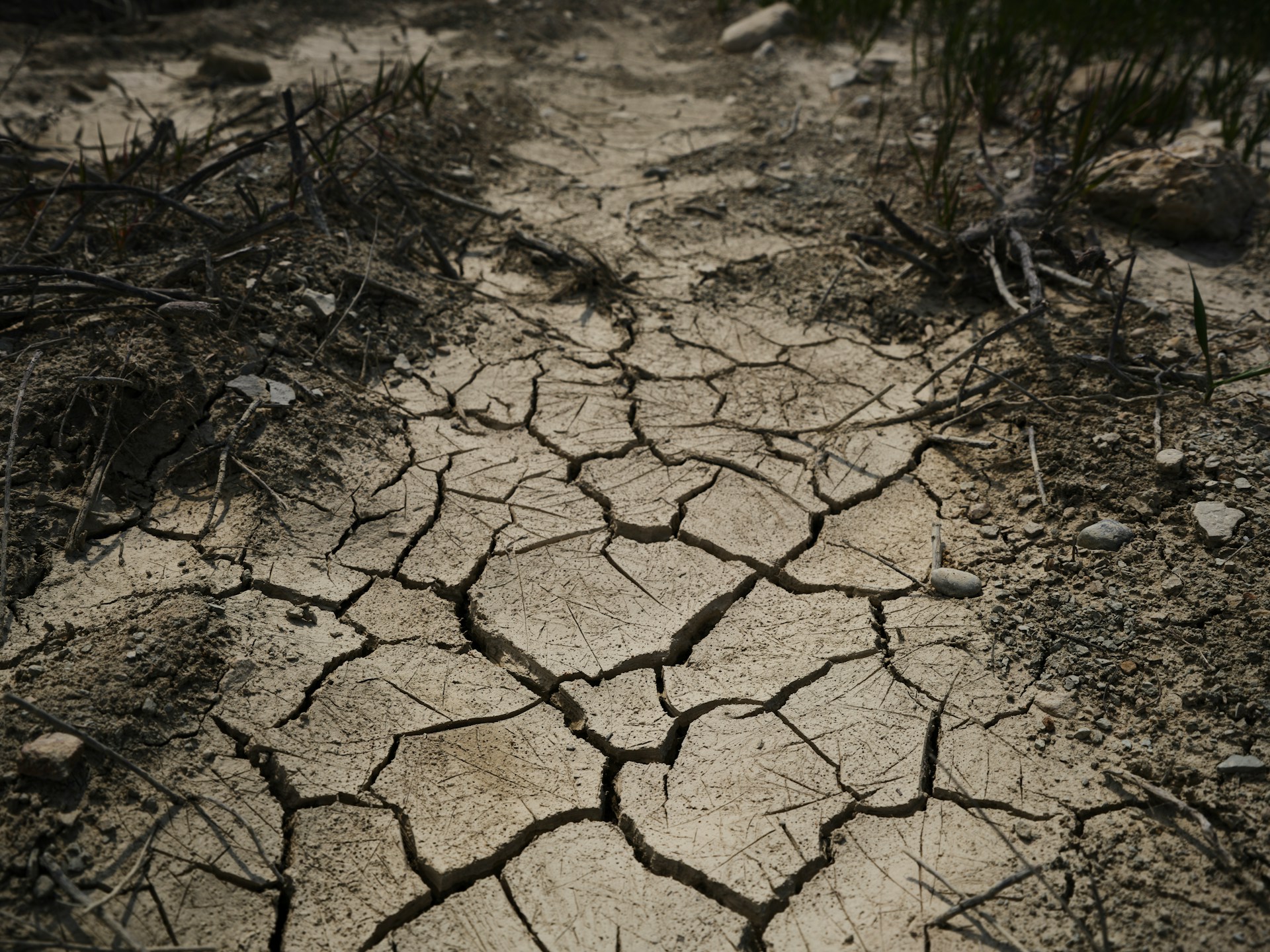
Managing your yard during drought conditions can be a real challenge for homeowners in Jefferson. As the heat intensifies and rain becomes scarce, lawns and gardens may start to suffer. However, with a few proactive strategies, you can keep your outdoor spaces vibrant and healthy even during the driest spells. By understanding how drought affects your landscape and knowing what steps to take, you can minimize the impact on your yard.
Droughts can leave your garden looking weary, but proactive management offers a lifeline. Addressing water shortages with effective techniques can save you from dealing with brown patches and wilting plants. In this guide, we’ll explore several practical tips that will help you maintain a thriving yard in Jefferson, even when rain is fleeting.
Understand Your Yard’s Needs
Assessing your yard’s water needs is the first step in managing it effectively during a drought. Recognizing which areas require more attention can make a significant difference. For instance, starting with understanding soil quality is crucial. Good soil retains moisture longer, so adding compost or organic material can improve its water-holding capacity.
Next, consider the plant varieties in your yard. Drought-tolerant plants are key to surviving dry conditions. Look for native species in the Jefferson area that require less water and can endure extended periods without rain. Here are some common drought-resistant plants and tips to identify them:
– Native Grasses: Choose grasses that thrive on minimal water, like Bermuda or Buffalo grass.
– Perennials: Opt for plants such as Lavender or Coneflower, which flourish in dry climates.
– Succulents: Include succulents like Agave or Sedum for their excellent water retention.
Don’t forget that mulch is your best friend in water conservation. Applying a thick layer around plants helps retain moisture and keeps soil temperatures stable. Not only does this reduce the frequency of watering, but it also improves soil health over time.
By knowing what your yard truly needs and making informed choices on plant selection and soil enhancement, you set the stage for better water management and drought resistance.
Implement Efficient Watering Techniques
When tackling yard care during dry spells, watering wisely is crucial. One effective method is using drip irrigation systems. These systems deliver water directly to the base of plants, minimizing runoff and evaporation. By targeting only the plants in need, they conserve water while ensuring that hydration reaches where it’s needed most.
Another strategy is paying attention to when you water. The best times are early morning or late evening. Watering during these cooler periods reduces evaporation, allowing moisture to soak into the ground. This practice helps keep your plants well-hydrated while using less water overall, which is especially beneficial when resources are limited.
Additionally, capturing rainwater through rain barrels can be a game-changer. This simple system collects and stores rainwater from your roof, providing a natural source for irrigation. Utilizing rain barrels not only saves treated water but also reduces your water bill.
Create a Dry Creek Bed
For an aesthetically pleasing and functional solution, consider adding a dry creek bed to your landscape. A dry creek bed mimics a natural waterway, redirecting and managing water overflow during heavy rains. Even during dry conditions, this feature can enhance your yard’s visual appeal.
To build one, follow these steps:
1. Plan the path of your creek bed, considering natural slopes for water flow.
2. Excavate the area to form the bed, creating varying widths along its course.
3. Line the bed with landscape fabric to control weeds.
4. Layer the bottom with river rocks and pebbles to imitate a natural stream.
5. Add larger stones along the edges to anchor the design and prevent erosion.
Dry creek beds not only manage water but also add texture and depth to your landscaping, making them a popular choice for drought-prone regions like Jefferson.
Regular Yard Maintenance
Regular maintenance is key in combating the effects of drought. Staying on top of tasks ensures that your garden remains resilient. Start with pruning plants regularly. Removing dead or excessive growth reduces the amount of water needed, allowing the remaining parts to thrive with less moisture.
Maintaining soil health serves as another essential practice. Techniques like composting enrich the soil with nutrients and improve its structure, enhancing water retention. Adding organic matter, such as leaves or compost, increases the soil’s capacity to hold moisture and supports plant growth, even when rainfall is scarce.
Pruning and soil enhancement might seem like minor actions, but they play pivotal roles in making the most of limited resources.
Keep Your Yard Lush
As you apply these strategies, remember that maintaining a vibrant yard during drought conditions is achievable with dedication and smart planning. Simple tasks, like choosing the right plants and conserving water, can significantly impact your landscape’s health and appearance. Implementing efficient watering methods reduces waste, while features like dry creek beds offer both functionality and beauty.
By understanding yor yard’s needs and adopting these proactive measures, you’ll not only save water but also cultivate a thriving garden that endures through Jefferson’s dry spells. Embrace these changes, and you’ll be well on your way to keeping your outdoor space lush and healthy, regardless of the weather.
Transform your yard into a lush oasis even in drought conditions with the expertise of Sugar Hill Outdoors. Our innovative solutions, like incorporating a dry creek builders yard, help manage water effectively while enhancing your landscape’s beauty. Let our professionals guide you to create a resilient and stunning outdoor space that thrives despite the dry spells. Reach out to us to discover the joy of a well-maintained yard with the right features today.