
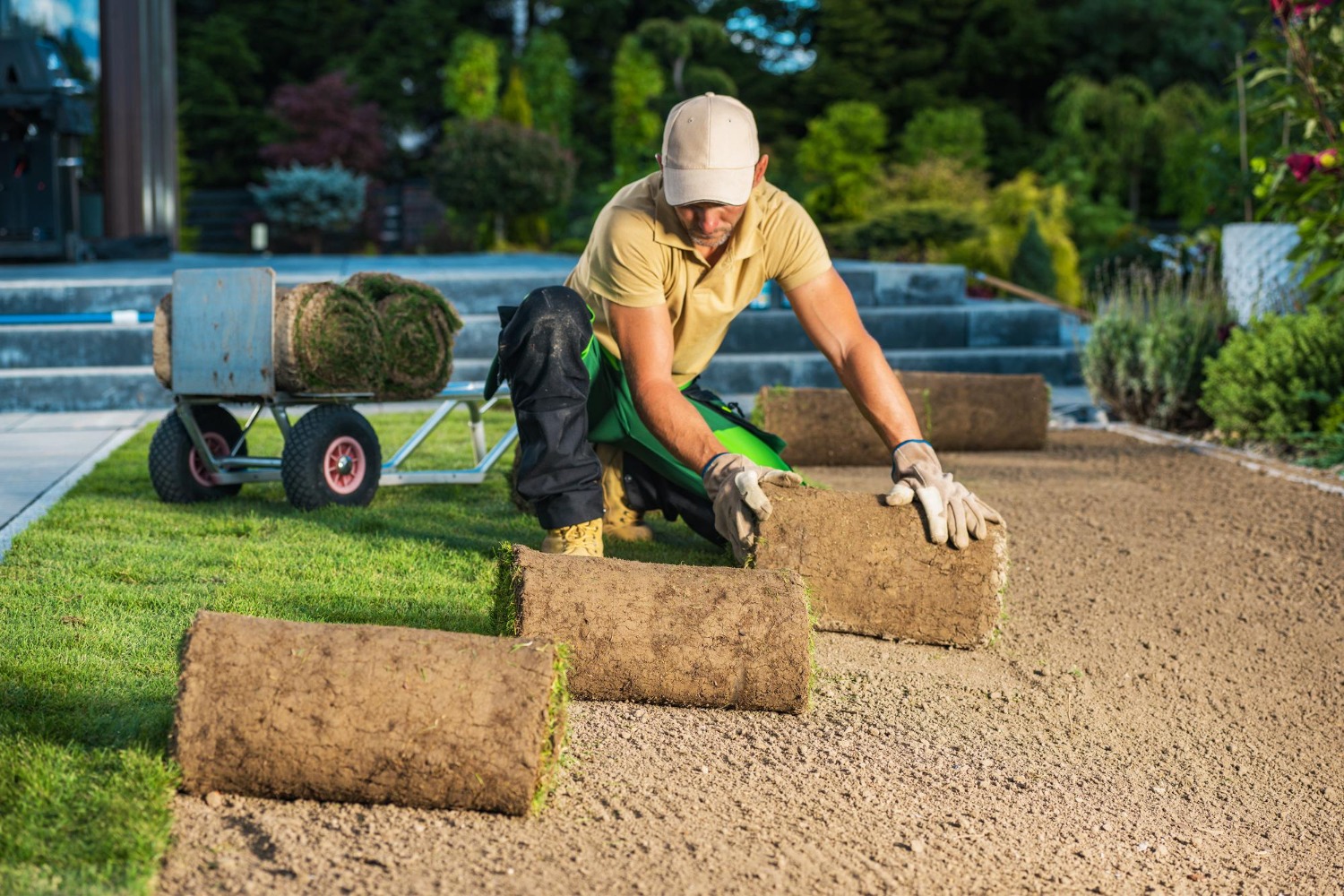
Eco-friendly landscaping is a growing trend among homeowners for a good reason. It not only enhances the natural beauty of your yard but also supports the environment. By adopting sustainable practices, you contribute to a healthier planet while enjoying the benefits of a beautiful, low-maintenance garden. For residents of Jefferson, this approach to landscaping is especially impactful, as it aligns perfectly with the community’s appreciation for natural spaces.
As more people embrace green living, eco-friendly landscaping offers a practical way to make a positive change. These practices can help you save water, encourage biodiversity, and reduce maintenance time and costs. A thoughtful approach to landscaping can transform your outdoor spaces into vibrant ecosystems that thrive throughout the seasons.
Choosing Native Plants
Native plants play a pivotal role in creating an environmentally friendly garden. These plants are already adapted to the local climate and soil conditions, which means they require less water and maintenance. They’re naturally resistant to many pests and diseases, reducing the need for chemical treatments. Also, native plants offer food and shelter for local wildlife, helping to maintain biodiversity.
For Jefferson’s climate, a few native plants that you might consider include:
– Eastern Red Columbine: Known for its beautiful red and yellow flowers, it’s a great choice for attracting hummingbirds.
– Wild Bergamot: This plant offers lovely purple blooms that attract bees and butterflies.
– Southern Blue Flag Iris: Adds color to wet areas and is perfect for ponds or rain gardens.
– Virginia Sweetspire: A shrub that provides year-round interest with its flowers, fall color, and attractive bark.
When incorporating native plants into your yard, focus on placing them in areas where they would naturally thrive. This might mean planting moisture-loving species near water features or choosing drought-tolerant plants for sunny spots. Always ensure they have enough space to grow, and pair them with plants that have similar light and water needs. By planning your garden around native plants, you create a landscape that practically takes care of itself, minimizing effort and resources over time.
Efficient Water Usage
Water conservation is a crucial aspect of sustainable landscaping. Using water wisely benefits the environment and can significantly reduce your water bills. Here are some tips for efficient water use:
1. Drip Irrigation Systems: These systems deliver water directly to the roots, minimizing evaporation and runoff. Installing them in your garden ensures that every drop counts. They’re easy to customize according to plant needs and can be automated for convenience.
2. Rainwater Harvesting: Collecting rainwater in barrels is an efficient way to reduce water usage. Simply install barrels at gutter downspouts to capture rainfall. This water can later be used for irrigation during dry spells.
3. Mulching: Applying a layer of mulch over soil retains moisture. It reduces the need for frequent watering, keeps soil temperatures consistent, and helps prevent weed growth. Choose organic mulches like bark, wood chips, or compost for added soil health benefits.
By integrating these water-efficient strategies into your landscape, you support the environment and cultivate a lush and thriving garden that remains resilient to changing weather patterns.
Composting and Soil Health
Composting is a powerful technique for improving the health of your garden while reducing waste. By composting, you turn kitchen scraps and yard waste into nutrient-rich compost that boosts soil health. This organic matter enriches the soil, helping it retain moisture and supporting beneficial organisms. A well-fed soil means healthier plants, reduced pest issues, and less need for chemical fertilizers.
Starting a compost pile at home is easy. Begin by choosing a spot in your yard with good drainage and partial shade. Gather materials like fruit and vegetable scraps, coffee grounds, eggshells, grass clippings, and leaves. Layer these in a bin or pile, alternating between green (nitrogen-rich) and brown (carbon-rich) materials. Turning your pile every few weeks allows air into the mix, speeding up decomposition. In a few months, you’ll have rich compost ready to spread in your garden beds.
To maintain healthy soil in Jefferson, consider these tips:
– Regular Mulching: It helps keep the soil moist, reducing the need for frequent watering.
– Crop Rotation: If you grow vegetables, this prevents nutrient depletion and reduces pests.
– Testing Soil: Check pH and nutrient levels to adjust with natural amendments as needed.
By focusing on your soil’s health, you create a robust foundation for plants to flourish, naturally reducing the workload while promoting sustainability.
Eco-Friendly Lawn Care
Traditional lawn care often relies heavily on water, fertilizers, and pesticides. Shifting to eco-friendly practices not only reduces environmental impact but also cuts maintenance time. One effective strategy is minimizing lawn size. This can be accomplished by increasing shrub beds, flower gardens, or using ground covers, which require less water.
Consider these steps to make your lawn more eco-friendly:
1. Alternatives to Traditional Grass: Use clover or ornamental grasses that need less water.
2. Natural Pest Control: Ladybugs, praying mantises, and birds are valuable allies in keeping pests at bay.
3. Organic Fertilizers: Opt for compost or manure to feed your lawn naturally.
By adopting these techniques, you build a diverse, attractive landscape that supports local ecosystems and requires less intensive upkeep.
Closing Thoughts on Your Garden
Eco-friendly landscaping offers numerous benefits, from enhancing your yard’s beauty to promoting a more sustainable way of living. These practices not only contribute to a healthier environment but also create garden spaces that thrive with minimal effort. Emphasizing the use of native plants and water conservation, along with improving soil health and lawn care, ensures a resilient and vibrant landscape.
Your efforts in adopting these practices bring about positive environmental impacts and personal satisfaction. By making conscious choices today, you nurture a greener future. Consider exploring more sustainable options that can further transform your garden experience and enrich your community’s natural beauty.
For those looking to elevate their outdoor space with expert design and innovation, working with luxury landscape architects can transform your vision into reality. Discover the possibilities with Sugar Hill Outdoors, where our commitment to sustainable practices in Jefferson can help you create a beautiful and environmentally conscious garden. Explore our full range of services and get started on your dream outdoor oasis today.