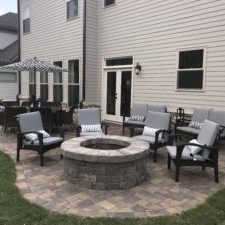

Water features, such as ponds, fountains, and waterfalls, add a touch of serenity and elegance to any landscape. They capture the beauty of nature while providing a relaxing ambiance for homes and public spaces. Yet, maintaining these features during winter, particularly in places like Jefferson, can be challenging. When temperatures drop, the risk of freezing poses a threat to both the aesthetic appeal and the functionality of water features.
The issue of freezing water features is all too common in winter. It may cause damage to the infrastructure of the feature, as ice expands and contracts. This can lead to cracked fountains, leaky ponds, or dysfunctional waterfalls. Tackling this problem not only protects the investment but also retains the beauty it brings to the landscape. Custom-designed solutions are necessary to address this issue effectively, ensuring that these beautiful elements remain a viable, year-round part of the landscape.
Understanding Water Features and Freezing Temperatures
Freezing temperatures can severely impact water features. When water freezes, it expands. This expansion can cause cracking in the materials, leading to leaks or even total breakdown. Understanding this natural process is the first step in preventing potential damage.
Common types of water features, each with unique benefits and challenges, include:
– Ponds: These are often the most susceptible to freezing due to their still water. Ice can form quickly, causing harm to aquatic life and structures.
– Fountains: These depend on continuous water flow to prevent freezing. Any interruption can result in ice formation, which affected their appearance and functionality.
– Waterfalls: These features rely on pumps to keep water moving. Stopping the flow can cause ice to build up, putting pressure on the entire system.
Addressing the root of the problem means knowing how each water feature can be affected by the cold. This understanding helps in crafting solutions that fit the specific needs of different types of features.
Design Considerations for Freeze-Resistant Water Features
Designing water features to withstand winter requires thoughtful planning. It’s about choosing the right materials and creatively addressing the specific challenges posed by freezing temperatures. Ensuring the longevity of these features means taking proactive measures right from the start.
1. Select Suitable Materials: Use materials that can withstand freeze-thaw cycles. Materials like certain types of stone and concrete designed for outdoor use are ideal.
2. Consider Depth and Flow: Features designed with adequate depth help prevent freezing. Water that moves consistently through waterfalls and fountains keeps ice at bay.
3. Add Movement: Keeping water in motion is key. Features like aerators or small pumps ensure constant movement, reducing the chances of ice forming.
By taking these design considerations into account, we’re not just battling the cold; we’re creating beautiful, functional water features that stand the test of time. Whatever the weather, these features can remain a stunning and integral part of your landscape.
Technology and Equipment to Prevent Freezing
Incorporating the right technology can effectively prevent water features from freezing during harsh winters. One of the most efficient solutions is using heaters specifically designed for ponds and fountains. These heaters maintain water temperature, ensuring it doesn’t drop to freezing levels. Pairing heaters with de-icers gives an extra layer of security by keeping an open water surface, which aids in releasing gases and maintaining aeration.
Installing pumps and aerators is another smart approach since they keep water circulating. Even in frigid temperatures, moving water is less likely to freeze. These pumps come in various sizes and capabilities, suited for everything from small decorative fountains to extensive pond systems. Aerators, particularly useful in ponds, not only circulate water but also introduce oxygen, keeping the ecosystem healthy through cold months.
Additionally, insulation plays a pivotal role in protecting your water features. Using insulated piping and investing in covers can significantly reduce the risk of water freezing. Covers can be custom-fitted, providing a barrier between the cold air and the water, reducing heat loss. Simple tarps or specially crafted covers work well depending on the complexity and size of the feature.
Maintenance Tips for Winter Months
Regular maintenance through winter ensures your water features remain in top condition. A proactive approach includes monitoring systems regularly to confirm that all equipment functions smoothly. Pumps and heaters should be inspected for any signs of wear or malfunction, replacing parts if needed to avoid mid-winter failures.
Proper storage of removable components is also beneficial during extreme cold. Items like fountains’ nozzles, pump parts, or any decorative elements should be stored indoors when temperatures dive. Doing so prevents potential damage from ice buildup and expands their lifespan for future seasons.
Finally, managing water levels is key to winter readiness. Ensuring sufficient water volume can help mitigate the impact of inevitable minor freezes. However, too much water is also a risk, as overflow upon freezing can damage structures. Hence, adjust levels with care, checking periodically to balance evaporation and precipitation effects.
Winterizing Jefferson Water Features for Year-Round Beauty
Creating water features that withstand winter’s challenges involves a blend of thoughtful design, appropriate technology, and diligent maintenance. It’s about understanding how freezing temperatures interact with water and implementing strategies that not only protect but enhance the beauty of these features. Each element, from selecting materials to regular upkeep, plays a crucial role in ensuring a seamless landscape year-round.
By investing in expert solutions tailored for challenging climates, we ensure that water features remain a consistent source of joy and elegance. These tailored approaches not only prolong the life of the features but also maintain their aesthetic charm and functionality throughout the year. Adopting these practices allows landscapes in Jefferson to shine, capturing the inner tranquility water brings without compromise, even when Jack Frost arrives.
Creating a landscape that thrives even in winter requires expertise and the best strategies at hand. If your goal is to ensure your outdoor space in Jefferson remains functional and beautiful year-round, consider seeking guidance from professionals in this field. Explore how collaborating with luxury landscape architects can bring innovative solutions tailored to your specific needs. Partner with Sugar Hill Outdoors to transform your water features into lasting assets that withstand every season’s challenges.